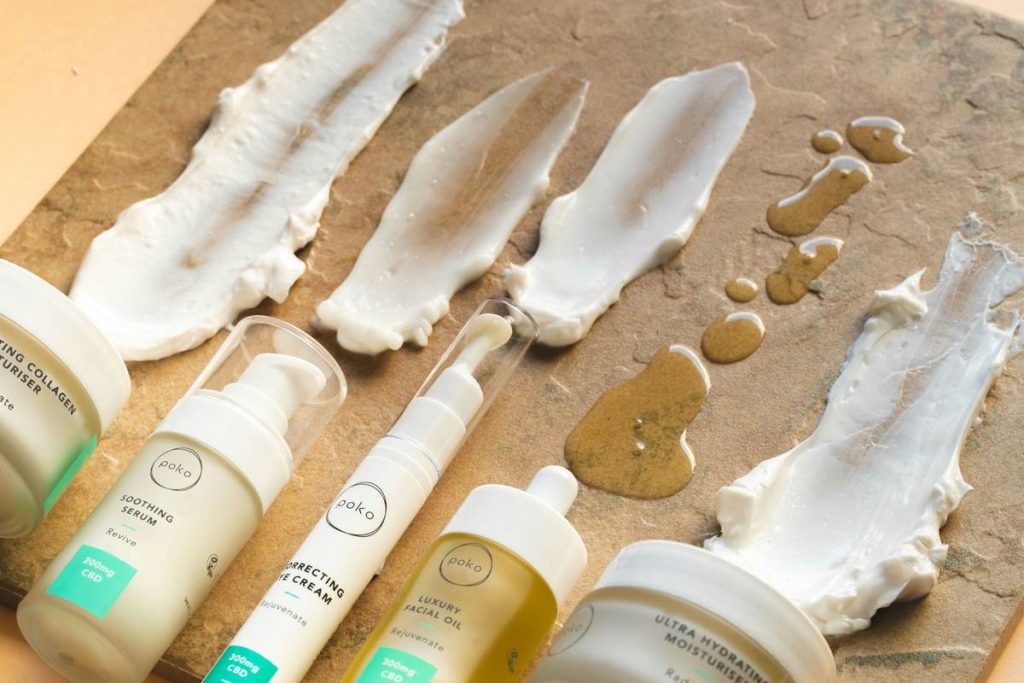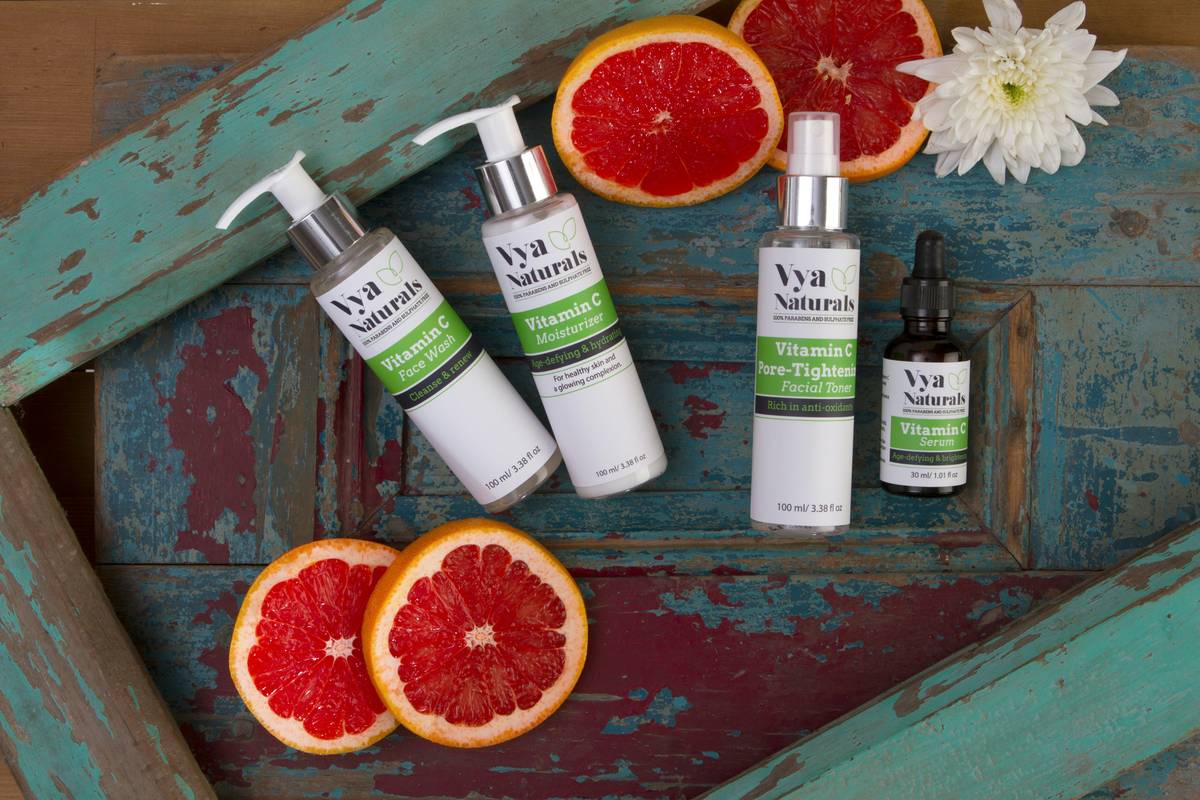
Dryness. Tightness. That dull, lifeless look no filter can fix. You’ve slathered on cream after cream—yet your skin still drinks moisture like a desert. The problem? Most “moisturizers” are glorified water traps laced with silicones and fillers that create the illusion of hydration—without feeding your skin what it truly needs. Here’s the fix: switch to a plant-powered, organic moisturizer for skin care that nourishes from within, not just masks the surface.
Why Standard Moisturizers Fail—Even the “Luxury” Ones
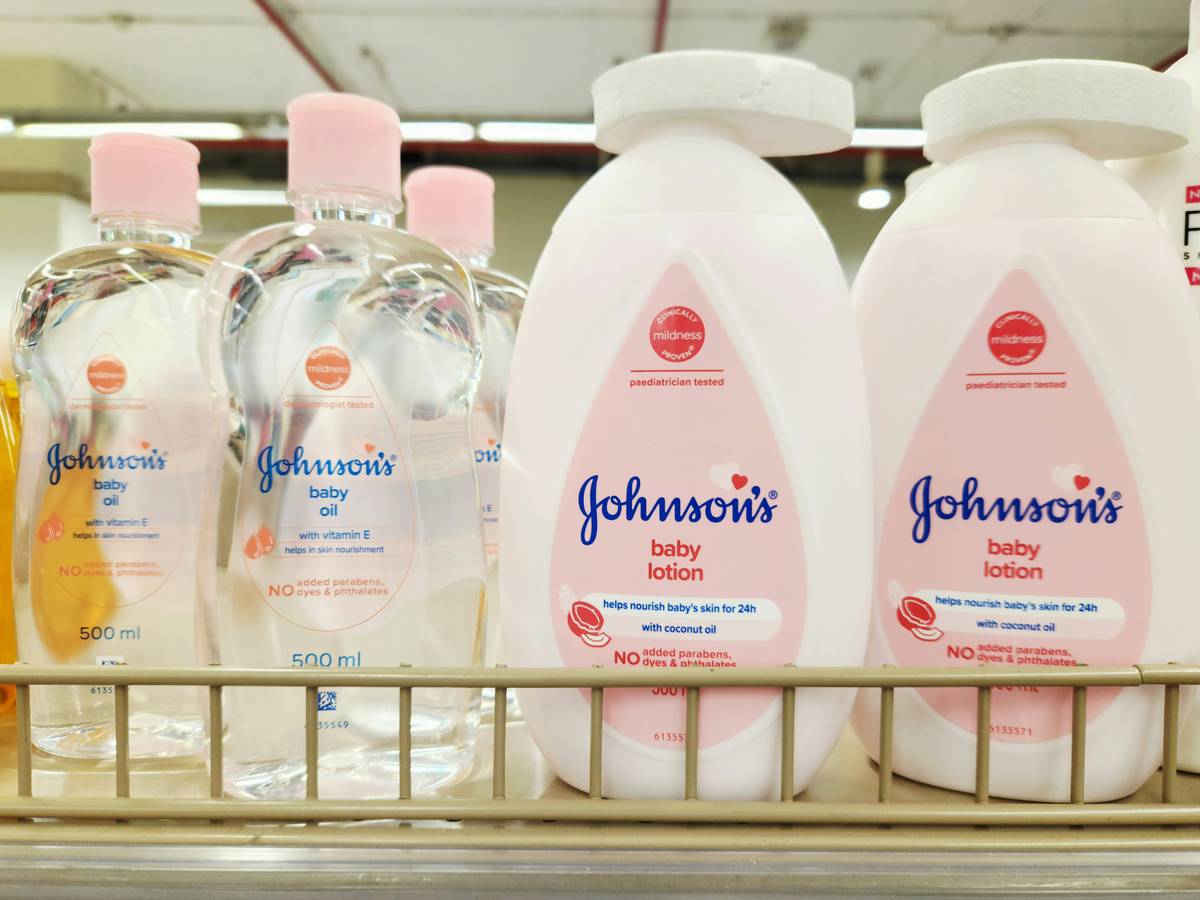
Big beauty brands engineer creams to feel luxurious—not to heal. They rely on occlusives like mineral oil or dimethicone to seal in existing moisture. But if your skin barrier is already compromised (thanks to pollution, over-cleansing, or stress), sealing in nothing just gives you… nothing with a glossy finish.
And many “natural” labels? Greenwashing at its finest. A single aloe leaf on the packaging doesn’t make it clean. True hydration requires bioactive botanicals—oils, extracts, and humectants that communicate with your skin cells, not suffocate them.
Your Step-by-Step Guide to Choosing the Right Organic Moisturizer for Skin Care
Know Your Skin’s Language
Is your skin whispering (dry patches) or shouting (redness, flaking)? Oily types often dehydrate faster than they realize—skipping moisturizer worsens sebum overproduction. Dry or mature skin craves lipid-rich formulas with ceramides from plants like hemp or oat.
Read Beyond the Front Label
Flip the bottle. If the first five ingredients include water, alcohol denat, or anything ending in “-cone,” walk away. Look instead for cold-pressed oils (jojoba, rosehip), fermented hyaluronic acid, and herbal infusions like calendula or chamomile.
Apply Like a Pro—Timing Matters
Slather on your moisturizer for skin care within 60 seconds of cleansing. That’s when your stratum corneum is primed to absorb actives—not fight through evaporating water. And never layer over actives like glycolic acid without buffering—botanical oils calm irritation while locking in benefits.
| Ingredient Type | What It Does | Found In Clean Brands? | Cost Impact |
|---|---|---|---|
| Synthetic Occlusives (e.g., petrolatum) | Forms non-porous barrier | Rarely—avoided in true organics | Low ($0.50/unit) |
| Plant-Derived Ceramides (e.g., phytosphingosine) | Repairs barrier, retains moisture | Yes—premium organic lines | High ($4–$7/unit) |
| Fermented Hyaluronic Acid | Deeper penetration, longer hold | Emerging—but growing | Moderate ($2–$3/unit) |
| Essential Oil Blends (e.g., lavender + frankincense) | Anti-inflammatory + aromatherapy | Common—but check dilution | Variable |
The Industry Secret: Shelf Life ≠ Stability
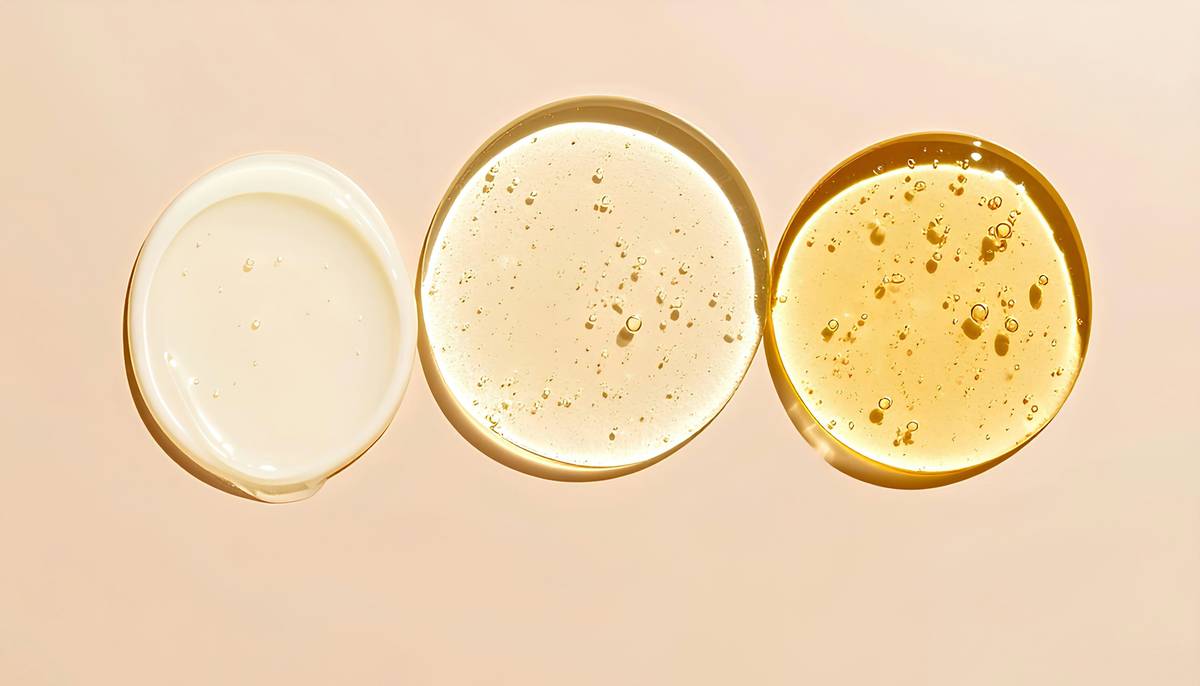
Here’s what labs won’t tell you: an organic moisturizer for skin care with no synthetic preservatives can oxidize faster than you think—even in amber glass. But that’s not a flaw; it’s a feature. Fresh batches mean potent antioxidants. At clinics like ours, we recommend small-batch formulations used within 90 days. Why? Because vitamin E degrades. Rosehip oil turns rancid. And stale actives do more harm than good.
The math is simple: if your cream smells faintly metallic or “off,” toss it. Real plant-based care respects shelf life—not stretches it with parabens disguised as “gentle preservatives.”
Frequently Asked Questions
Can oily skin use a rich organic moisturizer?
Absolutely. Lightweight, non-comedogenic oils like squalane balance sebum production better than stripping gels ever could.
How often should I apply moisturizer for skin care?
Twice daily—morning and night. Add a midday boost only if exposed to dry air or harsh climates.
Are “fragrance-free” and “unscented” the same?
No. “Unscented” may mask natural odors with synthetic neutralizers. “Fragrance-free” means zero added scent chemicals—ideal for sensitive skin.