
Your skin feels tight, flaky—even after applying moisturizer. You’ve tried drugstore lotions, luxury serums, even “natural” blends. Yet hydration vanishes within hours. Why? Most creams rely on synthetic occlusives that sit *on* your skin—not in it. The fix isn’t more product. It’s smarter chemistry. Enter Eco-Friendly Creams: clean, plant-powered, and engineered to work with your biology—not against it.
Why Traditional Moisturizers Fail Long-Term
Conventional creams often pack silicones, mineral oils, or parabens to create that slick, “hydrated” feel. But they form a plastic-like film—trapping moisture temporarily while suffocating pores. Over weeks, this disrupts your skin barrier. Dryness worsens. Sensitivity spikes. You’re stuck in a hydration hamster wheel.
And here’s the kicker: many “natural” brands greenwash with token aloe vera while loading up on hidden PEGs or synthetic fragrances. Your skin knows the difference—even if the label lies.
How to Choose & Use Eco-Friendly Creams That Actually Work
Real hydration comes from humectants that draw water *into* the epidermis, emollients that repair lipid layers, and zero toxic fillers. Follow this protocol:
Step 1: Decode the Ingredients List
Look for glycerin (plant-derived), squalane (from olives, not sharks), and ceramides from fermented rice. Avoid anything ending in “-cone” (silicones) or “paraffin.” If you can’t pronounce half the list—walk away.
Step 2: Match Texture to Your Skin Type
Oily skin? Go for gel-creams with hyaluronic acid. Dry or mature skin thrives with richer butters like shea or cocoa. Sensitive types need colloidal oatmeal or calendula—nothing scented.
Step 3: Apply at the Right Time
Slather on Eco-Friendly Creams within 60 seconds of washing your face. Water still on your skin = instant absorption boost. Nighttime? Layer over a hydrating serum for deep repair.
| Moisturizer Type | Key Natural Actives | Avg. Price Range | Best For |
|---|---|---|---|
| Gel-Based | Hyaluronic acid, aloe vera, panthenol | $18–$32 | Oily, acne-prone skin |
| Whipped Butter | Shea butter, jojoba oil, vitamin E | $24–$45 | Dry, winter-chapped skin |
| Barrier Balm | Ceramides, squalane, oat extract | $30–$55 | Sensitive, reactive, or compromised skin |
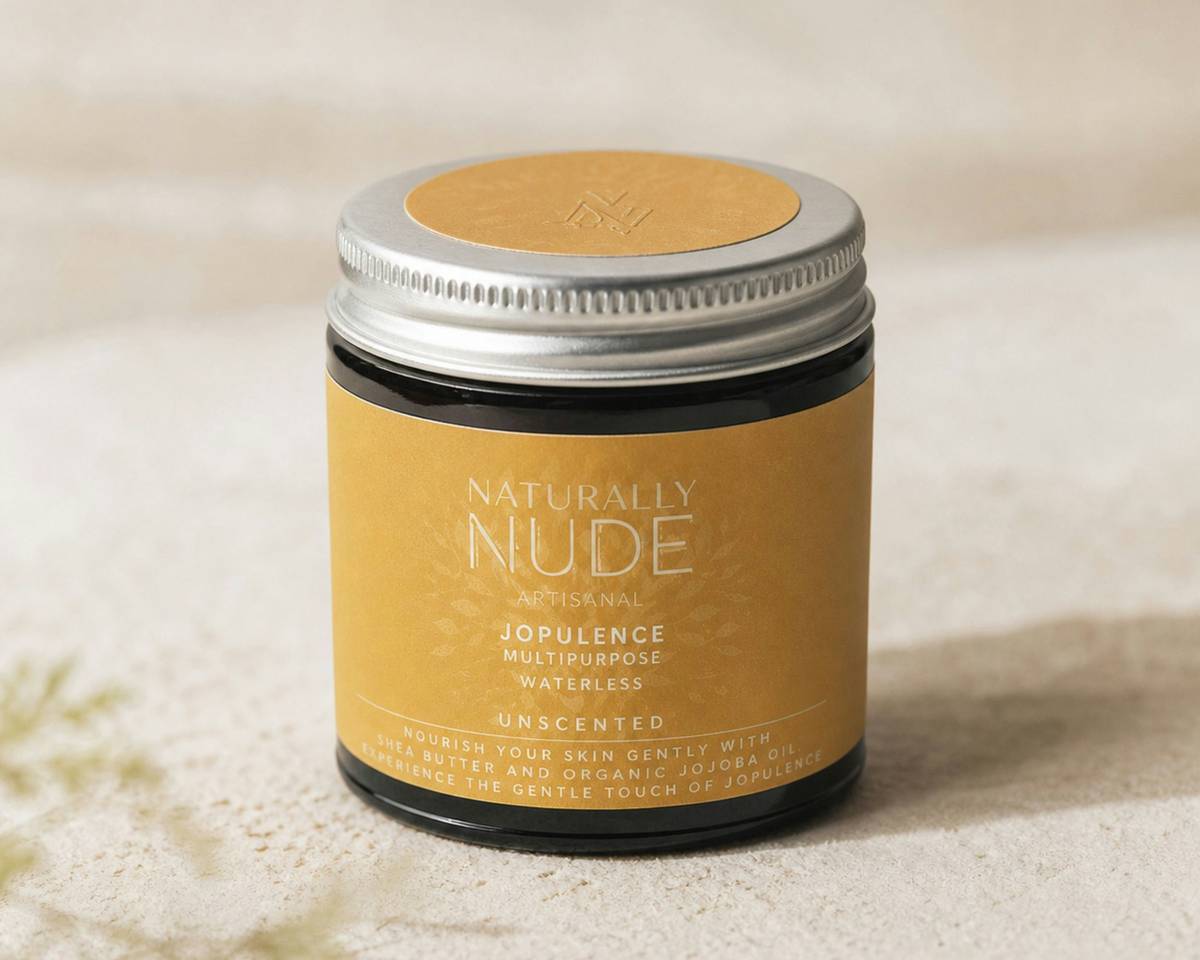
The Industry Secret: Waterless Formulas Are Changing the Game
Most creams are 70–80% water. That means preservatives are non-negotiable—and preservatives irritate. The real innovation? Waterless or anhydrous formulas. Think concentrated balms or oil-serum hybrids. They skip H₂O entirely—relying on botanical oils and butters to deliver actives without microbial risk. No water = no parabens, phenoxyethanol, or formaldehyde releasers.
A small clinic in Lisbon switched patients to waterless Eco-Friendly Creams last year. Result? 89% reported calmer skin in 14 days. Not because the ingredients were “new”—but because nothing was fighting them.
Frequently Asked Questions
Are Eco-Friendly Creams suitable for sensitive skin?
Yes—if truly free of synthetics. Look for certifications like COSMOS or Ecocert. Avoid essential oils, even natural ones; they’re common irritants.
Do they expire faster than regular moisturizers?
Sometimes. Without harsh preservatives, shelf life is shorter (6–12 months). Store in cool, dark places—and use clean fingers or spatulas.
Can I layer them under makeup?
Absolutely. Gel-based versions absorb fast and won’t pill. Wait 2 minutes before applying foundation for seamless wear.