Dry, tight, flaky skin—even after slathering on “natural” lotions. Sound familiar? That’s because most so-called organic moisturizers are greenwashed cocktails of water, preservatives, and trace plant extracts. Real hydration shouldn’t cost the earth—literally. The fix? A truly sustainable moisturizing lotion that nourishes your skin and respects planetary boundaries.
Why Conventional “Natural” Lotions Fail Both Skin and Soil
Labels scream “aloe,” “shea,” or “coconut oil.” But flip the bottle. You’ll find those ingredients buried near the bottom—diluted beyond function. Worse, many “eco-friendly” creams rely on palm-derived emulsifiers linked to deforestation. And let’s talk packaging: single-use plastic tubes wrapped in non-recyclable laminate.
Your skin absorbs up to 60% of what you apply. Yet brands prioritize shelf life over bioavailability. Water-based formulas evaporate fast—leaving behind synthetic film-formers that mimic moisture but suffocate pores.
Sustainability isn’t just about sourcing—it’s about efficacy per ounce. Most lotions deliver surface-level slip, not deep lipid-replenishing action. No wonder you reapply hourly.
How to Choose—and Use—a Truly Effective Sustainable Moisturizing Lotion
Forget chasing buzzwords. Build a regimen around three pillars: ingredient integrity, circular packaging, and skin barrier synergy. Here’s how:
Decode the Ingredient List Like a Formulator
Look for oils high in linoleic acid (like sunflower or safflower)—not just coconut or olive oil, which can clog pores for many. Prioritize cold-pressed, unrefined bases. Avoid anything ending in “-paraben” or “-siloxane.” Bonus points if the brand discloses extraction methods and origin farms.
Embrace Anhydrous or Low-Water Formulas
Water = microbial risk = more preservatives. Solid balms or oil-serum hybrids skip the H₂O entirely. They’re concentrated—so a pea-sized amount covers your face. Less waste. Deeper penetration. Zero synthetic stabilizers needed.
Demand Transparent Packaging
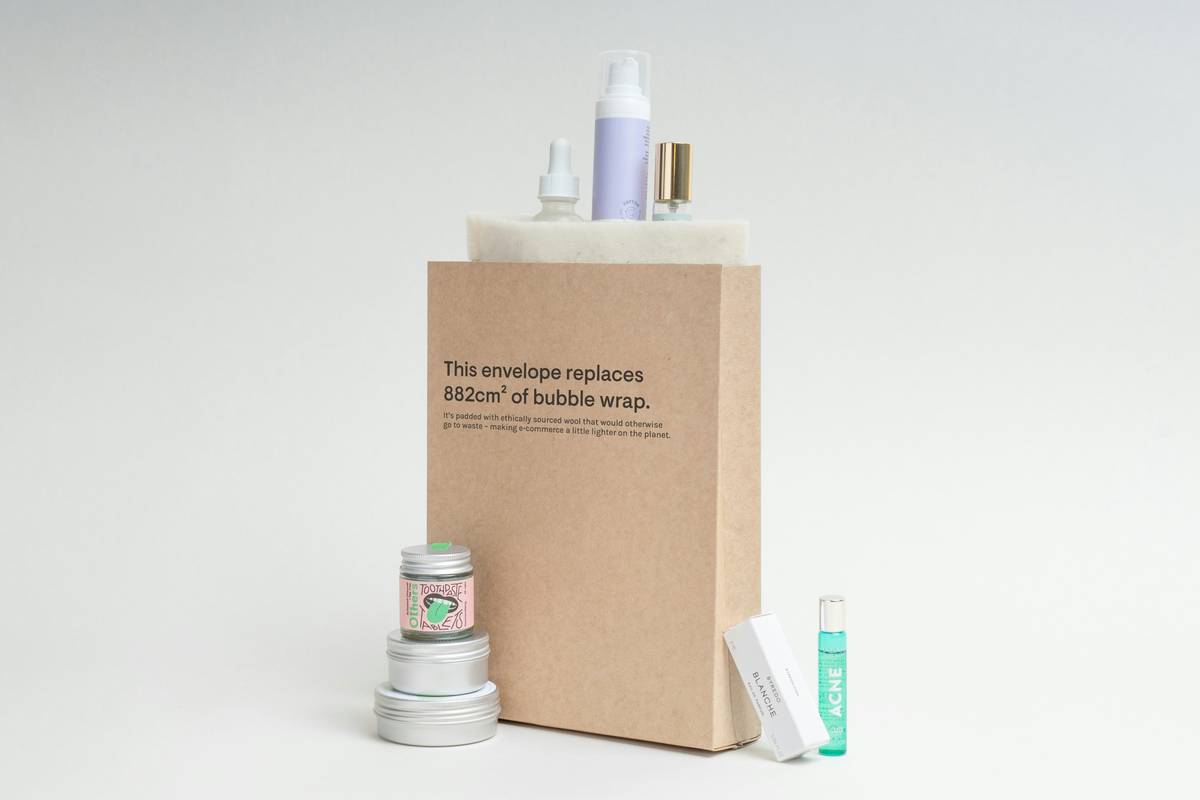
Aluminum tins, glass jars with reusable lids, or PCR plastic refills only. If it can’t be composted, reused, or infinitely recycled, it’s not sustainable—no matter the leaf logo.
| Moisturizer Type | Typical Cost (8 oz) | Environmental Impact | Barrier Repair Efficacy |
|---|---|---|---|
| Conventional “Natural” Lotion | $12–$18 | High (plastic + palm derivatives) | Low (evaporates quickly) |
| Anhydrous Balm (Organic Oils + Beeswax) | $22–$30 | Low (glass/metal packaging) | High (occlusive + nourishing) |
| Sustainable Moisturizing Lotion (Waterless Serum-Cream) | $28–$36 | Very Low (refillable system) | Very High (lipid-identical ceramides) |
The Industry Secret: “Natural” Doesn’t Mean Non-Toxic—at Least Not to Aquatic Life
Here’s what certifications won’t disclose: many plant-based surfactants (like coco-glucoside) break down into ethylene oxide residues—highly toxic to marine ecosystems. One study found runoff from “clean” beauty wastewater altered fish endocrine function at parts-per-trillion levels.
But the real kicker? Brands test biodegradability in ideal lab conditions—not real-world rivers. At SSK Skincare Clinic, we’ve switched to fermented oat lipids not just for skin compatibility, but because they degrade completely within 7 days in freshwater—verified by third-party ecotoxicology reports. Sustainability isn’t skin-deep. It’s watershed-deep.
FAQ
What makes a moisturizer truly sustainable?
It uses ethically sourced, biodegradable ingredients in refillable or compostable packaging—with full transparency on water usage and carbon footprint.
Can sustainable moisturizing lotion work for oily skin?
Yes—if it’s water-free and rich in linoleic acid (like grapeseed or hemp). These regulate sebum without clogging pores.
Are sustainable options more expensive?
Initially, yes—but concentrated formulas last 2–3x longer. You pay per use, not per ounce.